
If you’ve ever felt frustrated by a skincare routine that just doesn’t seem to deliver, you’re not alone.
The truth is, skin is complex and even widely recommended products might not perform the same way for everyone.
A routine that works for one person may leave someone else with irritation, breakouts, or no change at all.
Before you give up on your products, it’s worth exploring why your skincare might be falling short and what you can do to turn things around.
One of the most common reasons for underwhelming results is inconsistency.
Skin thrives on routine, and products are most effective when used regularly over time.
Missing a few days here and there may seem harmless, but it could delay or prevent the results you’re hoping to see.
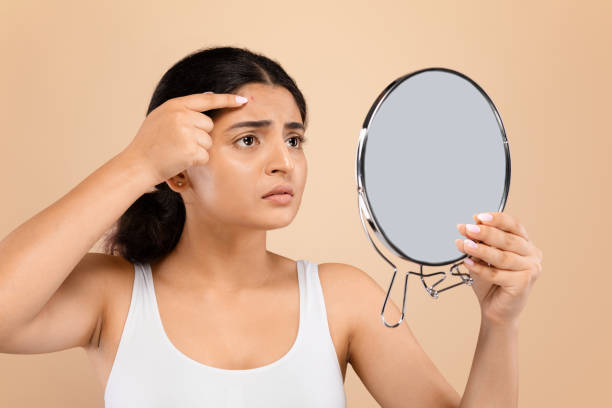
Another often overlooked issue is product expiration.
Skincare, especially formulations that contain water, can degrade over time.
According to the FDA, many cosmetics begin to lose effectiveness after opening, especially if they contain plant-based ingredients or aren’t properly preserved.
And if you’ve ever stored your products in a steamy bathroom or left your sunscreen in a hot car, you may have unknowingly reduced their potency.
Drastic temperature shifts, especially heat and humidity, can destabilize active ingredients and promote bacterial growth, which not only renders the product less effective but may also irritate your skin.
Environmental factors like weather changes can also shift your skin’s needs.
Dry winter air can leave you flaky, while summer sun increases oil production and sweat.
This means your skin might require heavier hydration during colder months and lightweight, breathable layers in warmer ones.
As Dermatologist Dr. Shereene Idriss explains, skin routines aren’t static—they need to adapt to your environment.
Sometimes, the culprit is the product itself.
Not all skincare is created equal.
Lower-quality formulations may contain unstable molecules or filler ingredients that offer little benefit.
Even when the right ingredient is present, if the concentration is too low, you might never see the intended effects.
For example, if a product claims to contain vitamin C but it’s listed far down the ingredient list, it may not be present in a high enough amount to make a difference.
Additionally, it’s possible to overdo it or underdo it.
Using too many products at once, especially those with strong actives, can overwhelm or sensitize the skin.
On the other hand, using too few—like skipping a moisturizer while applying exfoliants—can leave your skin vulnerable.
Skincare is about balance, not excess.
You might also be relying on outdated or unverified advice.
There’s a lot of noise online, and not every influencer or blogger is a qualified expert.
If you’re struggling with persistent concerns like acne, rosacea, or pigmentation, it’s wise to consult a dermatologist.
According to Harvard Health, personalized recommendations can help you avoid trial-and-error and find the right treatment faster.
If harsh products like retinol or salicylic acid aren’t giving you results—or are causing irritation—consider switching to gentler alternatives.
Bakuchiol is one example of a plant-based ingredient with retinol-like benefits but less risk of sensitivity.
Tea tree oil, sulfur, and zinc may also offer acne-fighting properties without the harshness of stronger prescriptions.
And while home remedies can be tempting, it’s best to use well-formulated, tested products rather than mixing DIY treatments that could do more harm than good.
In the end, your skin’s needs are personal.
What matters most is understanding what might be working against your goals and making adjustments that align with your lifestyle, environment, and skin type.
And if nothing seems to help, there’s no shame in reaching out for professional advice.
Your skincare routine should support your skin, not stress you out.
Take it one step at a time, and don’t be afraid to change course when something isn’t working.