
Prediabetes affects more than one in three adults in the United States, a number that continues to grow as sedentary lifestyles and processed diets become more common.
While traditional medical advice has centered on losing weight to prevent the transition from prediabetes to type 2 diabetes, new evidence suggests the story is more nuanced.
A recent study published in Nature Medicine found that normalizing blood glucose levels—even without weight loss—significantly reduced the long-term risk of developing type 2 diabetes.
The researchers discovered that individuals who achieved remission from prediabetes without losing weight had a 70 percent lower risk of developing diabetes within five years compared with those who did not normalize blood glucose.
This challenges decades of clinical guidance emphasizing weight loss as the primary benchmark for diabetes prevention.
The real key, it seems, lies in where the body stores fat rather than how much it carries.
The study revealed that individuals who reversed prediabetes without shedding pounds saw reductions in visceral fat—the deep abdominal fat that surrounds organs and drives inflammation—while slightly increasing subcutaneous fat, which sits just beneath the skin.
Visceral fat is known to produce inflammatory molecules that impair the body’s response to insulin.
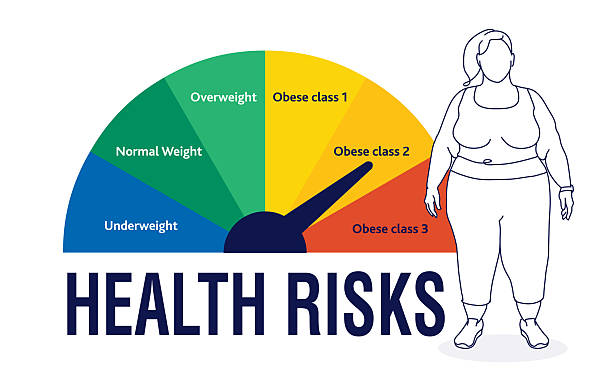
In other words, not all fat is equally harmful.
A modest internal shift in fat distribution may create healthier metabolic conditions, even when body weight remains the same.
The implications for diabetes care are significant.
If lifestyle interventions can normalize blood glucose levels without requiring strict weight loss, healthcare providers may have a new path to help patients sustain progress over time.
Weight loss can be difficult to achieve and even harder to maintain, with research showing that most people regain a portion of lost weight within a few years.
Instead of focusing exclusively on the scale, clinicians could help individuals adopt dietary and exercise strategies that improve insulin sensitivity and reduce visceral fat stores.
Regular physical activity, particularly strength training and brisk walking, promotes these changes by encouraging the body to use glucose efficiently and store fat in safer subcutaneous regions.
Balanced nutrition—rich in fiber, healthy fats, and lean proteins—supports similar improvements by stabilizing blood sugar levels throughout the day.
The study’s authors propose that diabetes prevention guidelines should expand to include glycemic remission as a target alongside weight loss.
By emphasizing blood sugar control, patients may feel more empowered to make gradual, sustainable changes rather than chasing rapid weight loss.
For those already living with prediabetes, this approach offers a reassuring message: progress is possible without perfection.
A shift toward healthier fat distribution and better glucose regulation can meaningfully reduce risk, protect the heart, and improve overall metabolic well-being.
As research continues, the hope is that diabetes prevention becomes less about restriction and more about balance, focusing on what happens inside the body rather than what shows on the scale.
The emerging science reminds us that the body’s ability to heal is not always reflected in the mirror—but often begins with subtle changes deep within.