
When temperatures drop and the air turns crisp, staying active can feel like a challenge.
The shorter days, colder mornings, and slippery sidewalks can easily make a warm blanket more tempting than a brisk jog.
Yet maintaining movement through the winter months is one of the most effective ways to preserve both physical and mental health.
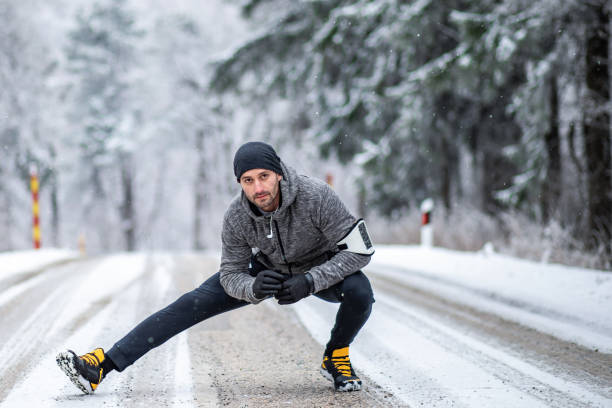
The benefits of staying active don’t hibernate when it’s cold—they simply require a bit more planning.
Before you step outside or unroll your yoga mat indoors, the first step is preparation.
Cold weather constricts your blood vessels and can make your muscles and joints feel stiffer, which increases the risk of injury if you start too quickly.
A proper warm-up is essential to boost circulation and flexibility.
Dynamic movements like leg swings, arm circles, or brisk walking for five to ten minutes can help elevate your core temperature and ready your body for exercise.
Sports medicine experts emphasize that an effective warm-up also helps regulate breathing and prevent strain when transitioning into more intense activity.
Once you’re warm, the next line of defense is proper clothing.
Layering is key to staying comfortable and safe.
Start with a base layer that wicks moisture, followed by an insulating mid-layer, and finish with a lightweight outer shell that shields against wind and moisture.
Avoid heavy cotton fabrics, which trap sweat and can accelerate heat loss.
Remember that your body heats up as you move, so choose layers you can remove easily if you start to overheat.
Even in freezing temperatures, hydration remains critical.
Cold weather blunts your thirst response, but your body continues to lose moisture through respiration and perspiration.
Carrying warm water or tea can encourage consistent sipping and prevent dehydration, especially during longer workouts.
A balanced pre-exercise meal rich in carbohydrates and moderate in protein can also fuel your muscles and keep your body temperature stable.
When exercising outdoors, safety and awareness are as important as endurance.
Check the forecast before heading out, especially for icy conditions or high winds.
Let someone know your route and carry a fully charged phone.
For extra stability, consider footwear designed for traction or add removable cleats for slick surfaces.
If you prefer to stay indoors, there are countless ways to move without leaving home.
Bodyweight workouts, yoga, and short online fitness videos can provide structure and motivation without requiring special equipment.
Virtual communities and group classes are another way to stay accountable when outdoor training feels daunting.
Interestingly, exercising in the cold can amplify some of the body’s positive responses to physical activity.
A study published in Frontiers in Physiology found that cold exposure during exercise can enhance fat oxidation and improve immune system activity.
That means your brisk winter walk or run may actually provide a metabolic edge compared to the same effort in warmer weather.
Still, there are risks worth noting.
Prolonged exposure to cold and wind can lead to frostbite or hypothermia, especially if clothing becomes wet.
Inhaling very cold air can also irritate the respiratory system, potentially triggering coughing or wheezing in sensitive individuals.
If you have underlying heart conditions, consult your doctor before engaging in vigorous outdoor activity, as cold temperatures can increase cardiac strain.
For most healthy adults, though, these risks can be minimized through smart layering, proper pacing, and attentive self-monitoring.
The rewards—improved mood, sharper focus, and sustained fitness—far outweigh the temporary discomfort of cold hands or a frosty breath.
Winter can be a time to build resilience, not retreat from it.
By adjusting your preparation, layering intelligently, fueling properly, and listening to your body, you can stay active safely and even discover a deeper appreciation for movement in cooler air.
Your body adapts when challenged, and every step taken against the cold builds not just strength—but resolve.