
Your gut microbiome plays a central role in digestion, immunity, and overall wellness.
Until recently we understood antibiotics could disrupt gut bacteria, but new research reveals many common prescription medications also leave a lasting impact on the microbiome.
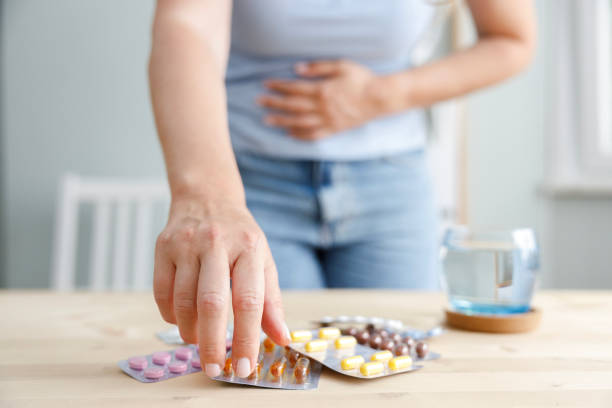
The medications linked to long-term microbiome alteration include antibiotics, antidepressants, benzodiazepines, beta-blockers, proton pump inhibitors (PPIs), and even drugs for type-2 diabetes.
What makes this particularly important is that disruption of gut microbiota—known as dysbiosis—has been associated with conditions like obesity, type-2 diabetes, inflammatory bowel disease, cardiovascular problems, and autoimmune disorders.
Interestingly the study found that past usage was just as influential as current medication in shaping microbiome composition.
Changes from some drugs were detectable even five years or more after discontinuation.
This indicates that your medication history can be as relevant to gut health as your diet or lifestyle.
While you should never stop taking prescribed medication without consulting a health professional, these findings underscore the value of integrating gut-friendly practices when medication use is necessary.
Supportive lifestyle steps include prioritising dietary fiber, reducing processed foods, staying physically active, and discussing medication alternatives when appropriate.
In collaboration with your healthcare provider you might review whether any medications you take could be substituted or dosed differently with less impact on gut microbial health.
Because the research is still emergent, a healthy microbiome won’t guarantee immunity from all disease, and medication needs will always vary by individual condition.
Nevertheless being aware of how drugs may influence your gut opens options for proactive care rather than simply accepting side-effects.
In summary your guts matter to your whole-body health, and so do the medications you consume.
By combining prescription oversight with gut-supportive lifestyle habits you can optimise internal resilience while still addressing medical needs.