
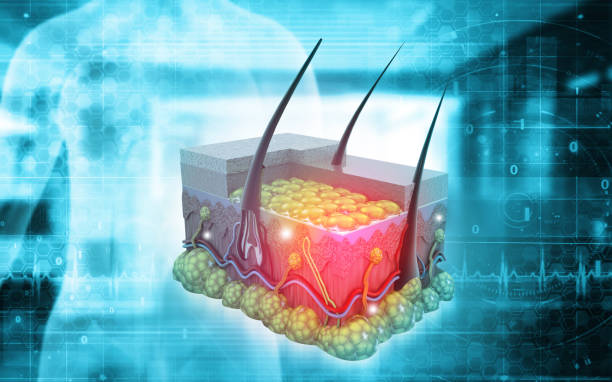
Your skin is not only the largest organ of your body but also one of the most exposed.
Every day, it defends against sunlight, pollution, and oxidative stress that gradually erode its strength.
For decades, the beauty industry has promoted expensive creams and procedures as the frontline defense, but new evidence suggests that one of the most effective solutions comes from within.
Carotenoids, the natural pigments that give fruits, vegetables, and algae their bright colors, are emerging as powerful antioxidants with measurable benefits for skin health.
A recent review analyzing 176 studies over 25 years revealed that carotenoids help neutralize free radicals, reduce inflammation, support collagen, and even improve hydration by influencing aquaporins, the proteins that regulate water balance in skin cells.
These effects go far beyond cosmetic appeal.
Research now shows that carotenoids also provide photoprotection, meaning they reduce the damage caused by ultraviolet radiation, one of the primary drivers of premature aging and skin cancer.
Among the carotenoids studied, astaxanthin stands out as especially potent.
Derived from algae and found in wild salmon, shrimp, and krill, astaxanthin has been shown in clinical trials to reduce wrinkles and improve elasticity within just six weeks of supplementation.
Unlike topical creams that act only on the surface, astaxanthin integrates into cell membranes, strengthening skin from the inside and providing lasting resilience.
In oncology research, carotenoids are also showing promise beyond skin protection.
When encapsulated in nanoparticles, compounds like astaxanthin can selectively target cancer cells, triggering apoptosis while sparing healthy tissue.
This approach represents a potential shift in how natural compounds are integrated into modern therapies, offering alternatives that are less toxic than conventional chemotherapy.
Despite this growing body of evidence, carotenoids remain underutilized in conventional dermatology and oncology.
Part of the reason lies in the lack of financial incentive for promoting natural compounds.
Pharmaceuticals are heavily researched and marketed because they can be patented, while food-based interventions rarely receive the same attention.
The other key factor involves absorption.
Carotenoids are fat-soluble, meaning that without the right dietary conditions, the body may not fully utilize them.
This is where the gut-skin axis becomes important.
A healthy microbiome not only supports digestion and immunity but also enhances the absorption of carotenoids.
Unfortunately, modern diets high in processed foods often disrupt gut balance, weakening this natural pathway.
Studies have confirmed that a diverse, fiber-rich diet improves carotenoid bioavailability and amplifies their benefits for skin and systemic health.
So how can you begin to integrate these findings into your daily life?
Start by including colorful, carotenoid-rich foods such as spinach, sweet potatoes, tomatoes, and wild salmon in your meals.
Pairing these foods with healthy fats like olive oil or avocado enhances absorption, making them more effective.
For individuals with higher needs—such as those managing skin conditions, high sun exposure, or elevated cancer risk—supplementation with clinically validated carotenoids like astaxanthin may provide additional support.
Consistency is the key.
Just as skin damage accumulates over years, restoration takes time and steady effort.
By nourishing your skin from within, you build long-term resilience that no serum can match.
The science is clear: carotenoids are more than just pigments.
They are functional molecules with the ability to protect, repair, and strengthen your skin at a cellular level.
As research continues to expand, it is becoming increasingly evident that health and beauty are not separate pursuits.
They share the same foundation, and that foundation often begins with the food on your plate.
Thank you for taking the time to learn about this exciting area of research.
Your skin deserves protection that goes deeper than the surface, and carotenoids may be one of the most effective ways to achieve it.