
Your eyes may reveal more about your cardiovascular health than you realize.
Recent research shows that the tiny blood vessels in the retina offer a non-invasive window into the state of your body’s microvascular system.
The retina is uniquely suited to this role because it is the only microvasculature in the body that doctors can routinely and directly view non-invasively.
Changes in these tiny vessels often mirror what is taking place in the heart, brain, kidneys and other organs.
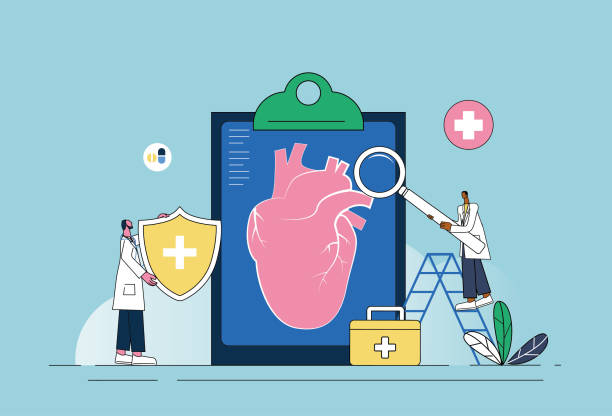
This emerging field, sometimes called cardiac-oculomics, holds promise for early detection of cardiovascular risk and vascular aging.
One study reported a nearly linear relationship between diminished retinal vascular complexity and elevated cardiovascular risk, suggesting that the eye may offer an early warning system for systemic vascular stress.
What this means for you is that an eye exam might offer more than vision correction.
It could contribute to a broader evaluation of your heart health.
If an optometrist or ophthalmologist notes abnormalities in retinal vasculature, a referral for cardiovascular screening may become an option in the future.
It is important to recognize that this research is still developing.
While the associations are powerful, retinal imaging is not yet a standard tool for cardiovascular risk assessment and is not a substitute for established tests such as cholesterol panels, blood pressure monitoring and lifestyle evaluation.
Nonetheless this development reinforces the importance of vascular health across your entire body.
Lifestyle choices that support healthy circulation—such as maintaining a healthy weight, staying active, controlling blood pressure, managing blood sugar and avoiding smoking—remain foundational.
If you wish to preview this research in a more visual format you might explore a YouTube discussion of retinal imaging and cardiovascular risk, which illustrates how vessel architecture correlates with systemic disease.
In the meantime protecting your eye health aligns directly with protecting your vascular system.
Regular eye exams, management of known risk factors and open communication with your healthcare providers are sensible steps.
The takeaway is that your eyes may carry clues about how your blood vessels are aging. Paying attention to those clues gives you more tools for prevention and early action.